





Book Now : 1-844-360-1553
Belize Reservations Office
Phone: +501-226-4297
Phone: 1-844-360-1553
WhatsApp: +501-670-4811
E-mail: [email protected]


Close
Talk Like a Belizean: A Guide to Belize Kriol & Common Phrases
Oct 15, 2026
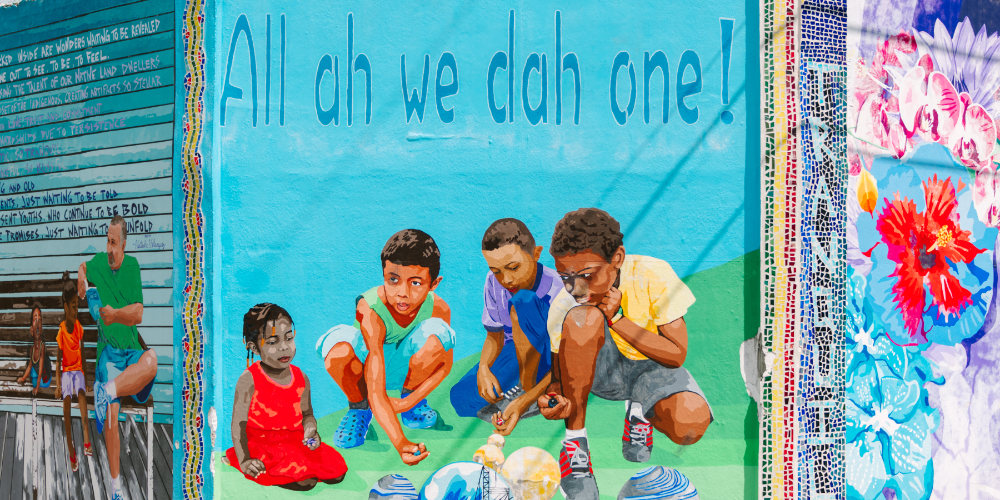
Officially, the language of Belize is English. Unofficially, it is Belize Kriol. In the melting pot of culture that is Belize, Kriol is both a people and a language, spoken by nearly all people that call this place home.
Spend a little time in Belize, and you are likely to hear a language that sounds familiar at first, but not quite like the English you know.
That is Belize Kriol.
English is the official language of Belize, making the country especially easy for English-speaking travelers to visit. But Kriol is widely spoken in everyday conversation and is an important part of Belizean life and culture.
You do not need to speak Kriol to travel around Belize. Still, learning a few words and phrases before your trip can make it easier to recognize what you are hearing and give you another way to connect with the country while you are here.
So, weh di go aan?
Let’s learn a little Kriol.
What Language Is Spoken in Belize?
English is the official language of Belize.
Belize is the only country in Central America where English is the official language, so visitors will find it used at hotels, restaurants, airports, shops, attractions, and on tours throughout the country.
But Belize is also a multilingual country.
Along with English and Kriol, you may hear Spanish, Garifuna, Maya languages, German, and other languages depending on where you travel.
The mix changes from one region to another. Northern and western Belize have strong Spanish-speaking communities, Garifuna is spoken in parts of southern Belize, and Maya languages remain important in Maya communities.
For travelers, though, English is all you need to comfortably get around.
If you are preparing for your first visit, our guide to planning a trip to Belize covers transportation, where to stay, activities, and other practical details.
What Is Belize Kriol?
Belize Kriol, also commonly called Belizean Creole, is an English-based Creole language that developed over generations in Belize.
English contributed much of its vocabulary, while African languages and other influences helped shape the language as it developed.
Kriol is not simply English spoken with a Belizean accent.
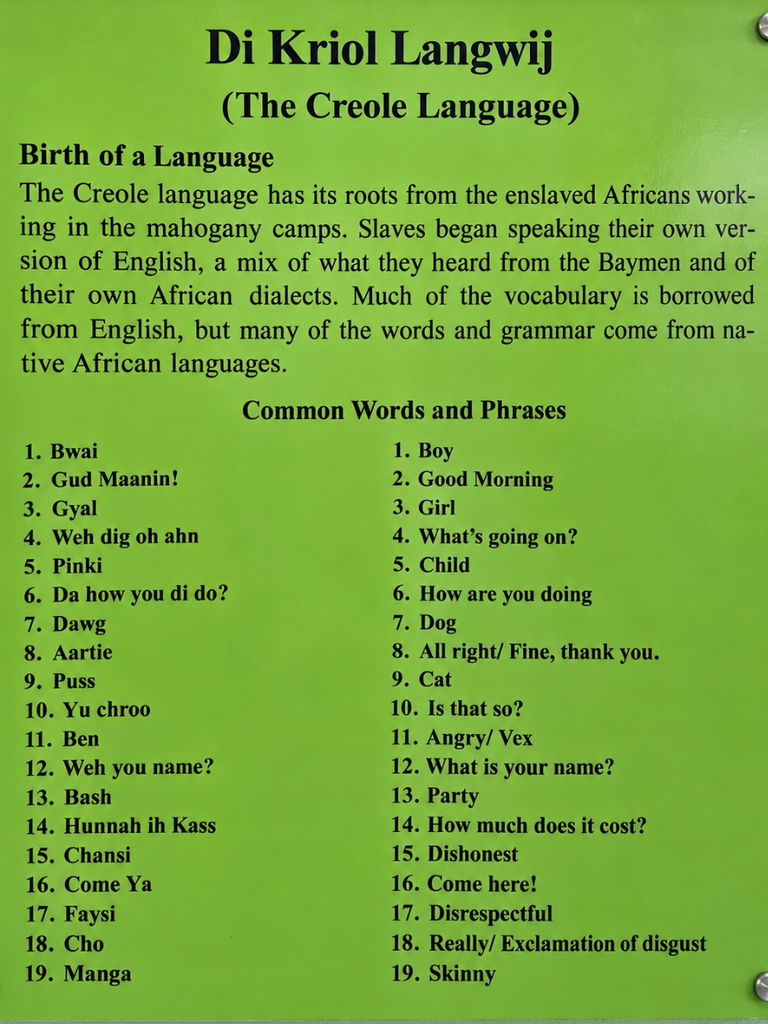
Image taken at the Baboon Sanctuary
It has its own vocabulary, pronunciation, grammar, and established spelling conventions. English speakers may recognize many words when they see Kriol written down, but spoken Kriol can take a little longer to follow.
The rhythm is different, words may be shortened or pronounced differently, and sentence structures do not always mirror standard English.
Listen for a while, though, and you may be surprised by how much you begin to recognize.
Kriol is also spoken and understood by Belizeans from many different cultural backgrounds. Speaking Kriol does not necessarily mean someone identifies ethnically as Kriol or Creole.
Belize Kriol or Belizean Creole?
You will see several names used for the language, including:
- Belize Kriol
- Belizean Kriol
- Belizean Creole
- Creole
For this guide, we use Kriol when referring specifically to the language.
It is also useful to distinguish the language from cultural identity. Kriol or Creole may refer to a cultural or ethnic community in Belize, while the Kriol language is used much more broadly.
That distinction matters because Kriol is part of everyday communication across many different Belizean communities.
Is Belize Kriol a Written Language?
Yes.
One misconception about Kriol is that it is simply spoken or that words are written however they sound.
Kriol does have established spelling conventions and appears in dictionaries, educational materials, literature, newspapers, and other written works.
In fact, the National Kriol Council published an updated second edition of the Kriol-Inglish Dikshineri / English-Kriol Dictionary in 2024, expanding the number of documented Kriol words and expressions.
Some written Kriol words will look familiar to English speakers:
Good morning → Gud maanin
Thank you → Tenk yu
What’s your name? → Weh yu naym?
Reading Kriol aloud can sometimes make the connection to English easier to hear.
Belize Kriol Phrases to Know Before Your Trip
You certainly do not need to learn Kriol before visiting Belize.
But knowing a few common expressions can be fun, especially when you recognize them during your vacation.
| Belize Kriol | English |
| Gud maanin | Good morning |
| Weh di go aan? | What’s going on? / What’s up? |
| Da how yu di du? | How are you? |
| Aarait | Fine / All right |
| Tenk yu | Thank you |
| Weh yu nayhn? | What’s your name? |
| Mee naym… | My name is… |
| Humoch dis kaas? | How much does this cost? |
| Weh taim yu gat? | What time is it? |
| Ih noh mata | It doesn’t matter |
| Fu chroo? | Really? / Is that so? |
You may see slight differences in spelling online or hear variations in pronunciation from one speaker to another.
That is normal.
The goal is not to arrive in Belize sounding like a local after memorizing a few phrases. Simply being able to recognize a few words can make conversations around you more interesting.

How Do You Say Hello in Belize Kriol?
You do not need a special greeting when traveling in Belize.
A regular hello, hi, or good morning works perfectly well.
In Kriol, you may hear:
Gud maanin — Good morning
Or, in a more casual conversation:
Weh di go aan? — What’s going on? / What’s up?
If you hear one of these while exploring Belize, now you will know what it means.
Do You Need to Speak Kriol When Visiting Belize?
No.
English is Belize’s official language, so English-speaking travelers generally have no trouble communicating during a Belize vacation.
Hotels, tour operators, restaurants, shops, transportation providers, and tourism businesses commonly operate in English.
Learning a few Kriol phrases is less about necessity and more about understanding another part of everyday life in Belize.
You might hear Kriol while chatting with a tour guide, ordering lunch, visiting a shop, walking through town, or simply listening to conversations around you.
What Other Languages Are Spoken in Belize?
Belize’s languages reflect the country’s cultural diversity.
In addition to English and Kriol, you may also hear:
- Spanish
- Garifuna
- Mopan Maya
- Q’eqchi’ Maya
- Yucatec Maya
- German, particularly in some Mennonite communities
You will not necessarily hear all of these languages during one trip.
Where you travel makes a difference.
A vacation on Ambergris Caye may sound very different from time spent in western Belize, southern coastal communities, or Maya villages farther inland.
That variety is one of the reasons Belize feels so culturally diverse despite its relatively small size.
Hearing Kriol in San Pedro and Ambergris Caye
If you are staying on Ambergris Caye, you will have plenty of opportunities to hear Kriol during everyday life in San Pedro.
Walk through town and you may hear English and Kriol moving naturally through conversation, sometimes with Spanish mixed in as well.
San Pedro brings together Belizeans from around the country along with residents and visitors from around the world.
Restaurants, markets, shops, docks, beach bars, and neighborhood streets all contribute to the character of the town.
If this is your first trip to the island, our San Pedro and Ambergris Caye guide covers getting around, dining, beaches, activities, and more.
You can also explore the best things to do in San Pedro, Belize when planning your stay.
Language Is Part of Belizean Culture
Kriol is only one part of Belize’s cultural story.
Belize is home to Kriol, Mestizo, Maya, Garifuna, Mennonite, East Indian, Chinese, and other communities, and those influences can be seen throughout the country.
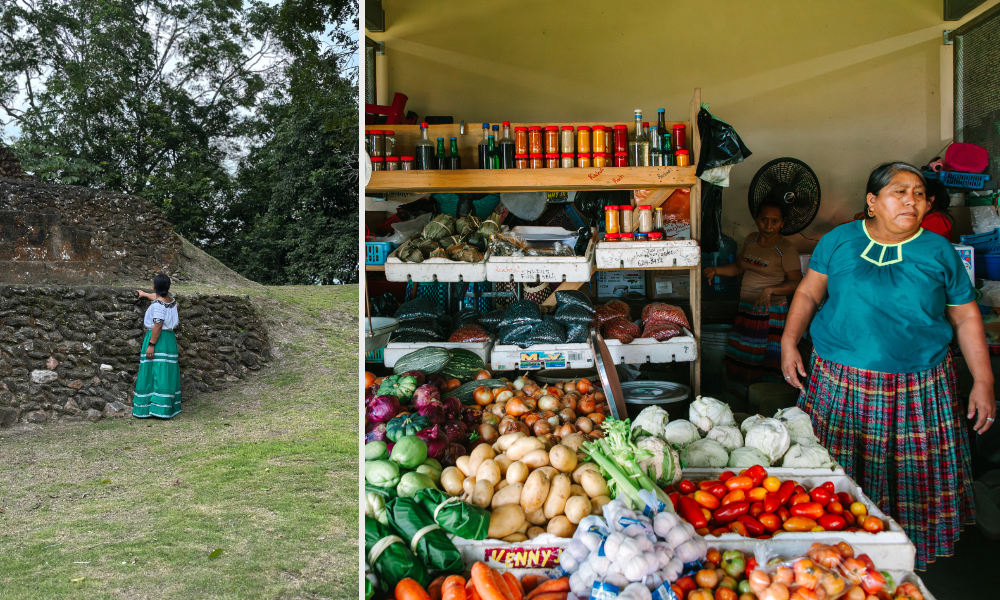
Language is one way to experience that diversity.
Food is another.
Belizean cuisine reflects many of the cultures that have helped shape the country.
Rice and beans with stewed chicken may be one of Belize’s best-known meals, but you will also find dishes such as tamales, salbutes, garnaches, ceviche, hudut, fry jacks, and fresh seafood.
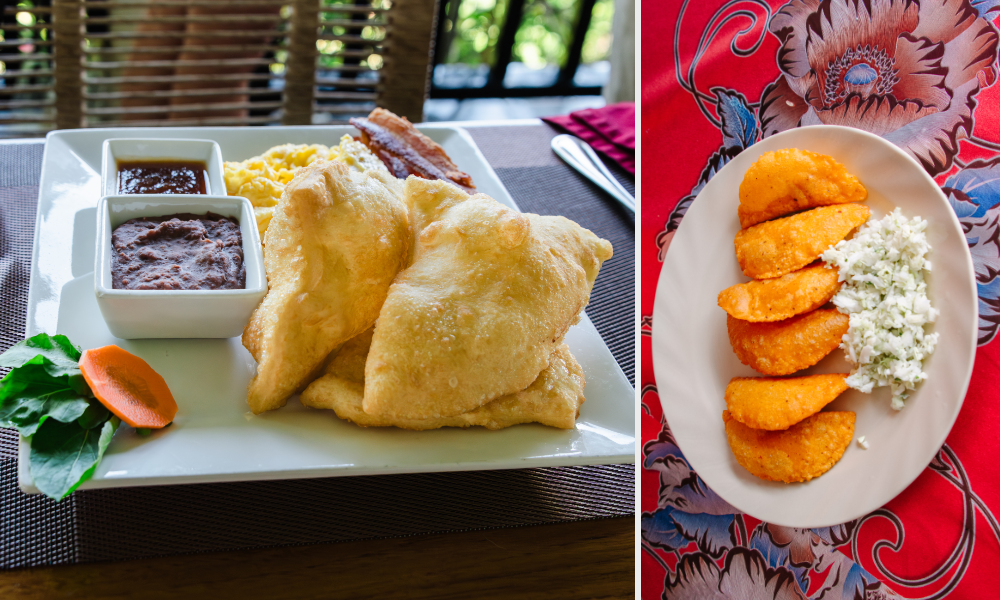
If you want to explore another side of Belizean culture, our guide to traditional Belizean foods to try is a great place to start.
The Best Way to Learn Kriol? Listen
You do not need to spend your vacation studying vocabulary.
Just listen.
Talk with your guides. Visit local restaurants. Walk through San Pedro. Stop into shops. Ask questions. Spend some time seeing what everyday island life looks like beyond your resort.
You may not understand everything you hear, and that is perfectly fine.
The point is simply to become a little more familiar with the sounds and expressions around you.
Over the course of a trip, you may be surprised by how many words start to feel familiar.
Tenk Yu for Reading
You do not need to speak Kriol to enjoy Belize.
But knowing that Gud maanin means good morning, Tenk yu means thank you, or Weh di go aan? is a casual way of asking what’s going on can make the language around you feel a little more familiar.
More importantly, learning about Kriol is another reminder that Belize is much more than beaches, islands, and the barrier reef.
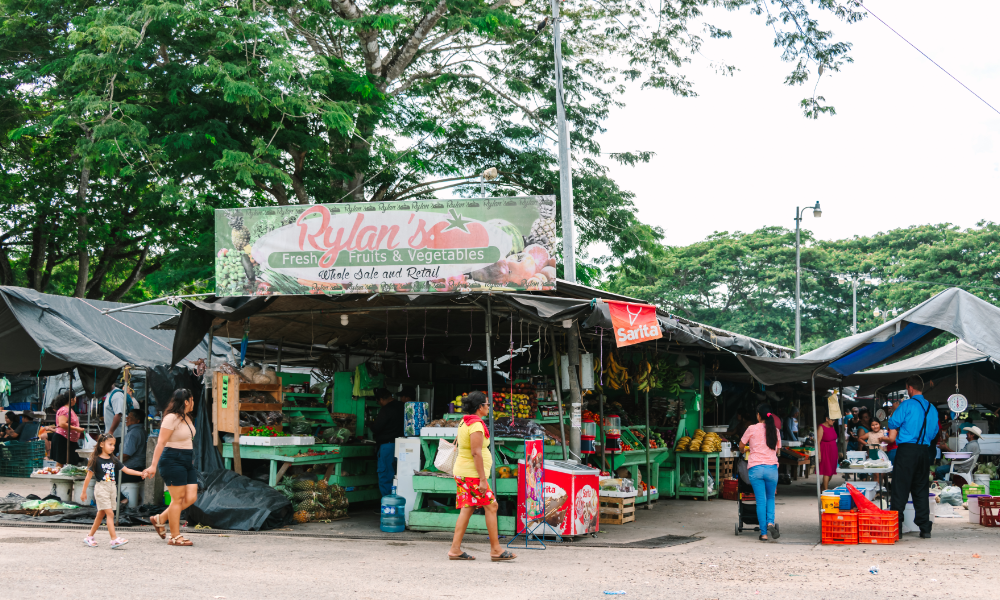
Its languages are part of the country’s history, culture, and everyday life.
So when you arrive, listen.
You may be surprised by how many words you pick up before it is time to go home.
Frequently Asked Questions About Belize Kriol
What language do people speak in Belize?
English is the official language of Belize, but the country is multilingual. Kriol is widely spoken in everyday conversation, while Spanish, Garifuna, Maya languages, German, and other languages are also spoken in different parts of the country.
Is Belize Kriol the same as English?
No. Belize Kriol has strong English influences, but it is a distinct language with its own grammar, pronunciation, vocabulary, and established spelling conventions.
Do tourists need to speak Kriol in Belize?
No. English is the official language, and visitors can comfortably travel throughout Belize speaking English. Learning a few Kriol phrases is simply a fun way to become more familiar with Belizean culture.
What are some common Belize Kriol phrases?
Common phrases include Gud maanin for “good morning,” Tenk yu for “thank you,” Weh di go aan? for “what’s up?” and Fu chroo? for “really?” or “is that so?”