




Book Now : 1-844-360-1553
Belize Reservations Office
Phone: +501-226-4297
Phone: 1-844-360-1553
WhatsApp: +501-670-4811
E-mail: [email protected]


Close
Birding in San Pedro, Belize: Complete Island Guide for Bird Watchers
Feb 10, 2026
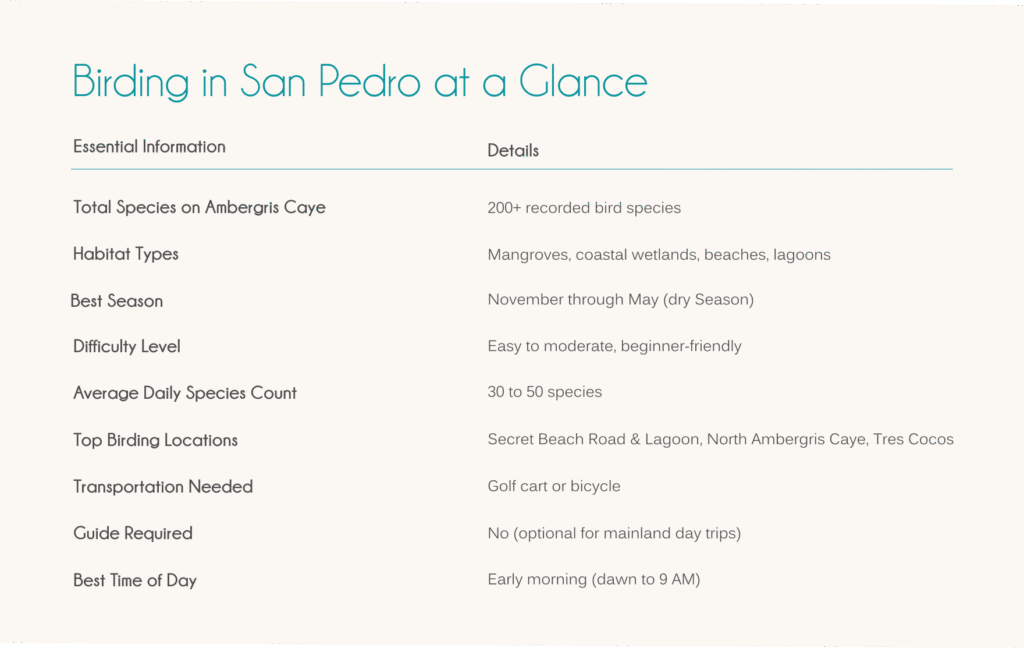
When most birders think of Belize, they immediately picture mainland rainforests and remote wildlife sanctuaries. But birding in San Pedro, Belize, offers something unique: accessible island birding that combines Caribbean relaxation with exceptional avian diversity. Located on Ambergris Caye, Belize's largest island, San Pedro provides over 200 bird species right at your doorstep, with pristine mangroves, coastal wetlands, and easy access to world-class mainland birding sites.
Why San Pedro is a Hidden Gem for Bird Watchers
What makes San Pedro special for bird watching? It’s the perfect base camp for birders who want to combine serious birding with beach time, excellent dining, and comfortable accommodations. You can start your morning watching herons in the mangroves, spend midday snorkeling the barrier reef, and finish with sunset birding along the lagoon, all without leaving the island.
Understanding Birds in San Pedro Belize: Island Ecology
San Pedro’s bird diversity might surprise you for such a small island destination. The secret lies in Ambergris Caye’s varied habitats and strategic location along major migration routes.
Why Ambergris Caye Attracts So Many Bird Species
The island’s mangrove ecosystems provide critical habitat for wading birds, shorebirds, and waterfowl. The extensive lagoon system on the island’s western side creates freshwater and brackish wetlands that attract species rarely found on other Caribbean islands. The coastal beaches and mudflats host migrating shorebirds, while the small patches of coastal forest shelter resident landbirds.
Ambergris Caye sits directly in the path of major bird migration routes between North and South America. During spring and fall, exhausted migrants crossing the Caribbean make landfall on the island to rest and refuel, creating excellent opportunities to observe warblers, tanagers, and other songbirds that normally prefer mainland forests.
Seasonal Bird Diversity in San Pedro
November through May represents peak season for birding in San Pedro Belize, when North American migrants join resident Caribbean species. October and April to May offer exceptional migration watching as birds pass through in large numbers. The wet season (June to October) brings fewer birders but excellent opportunities to observe breeding behavior of resident species.
Common Birds in San Pedro Belize: What You’ll See Daily
Unlike mainland rainforest birding where species can be elusive, San Pedro offers consistent sightings of beautiful and interesting birds throughout your stay.
Guaranteed Daily Encounters
Great-tailed Grackles are everywhere in San Pedro, filling the air with their varied calls and displaying iridescent plumage. These intelligent birds have adapted perfectly to urban environments and provide constant entertainment around restaurants and hotels.
Magnificent Frigatebirds soar constantly overhead, their distinctive silhouettes and forked tails unmistakable against the Caribbean sky. Males display spectacular red throat pouches during breeding season, creating fantastic photography opportunities.
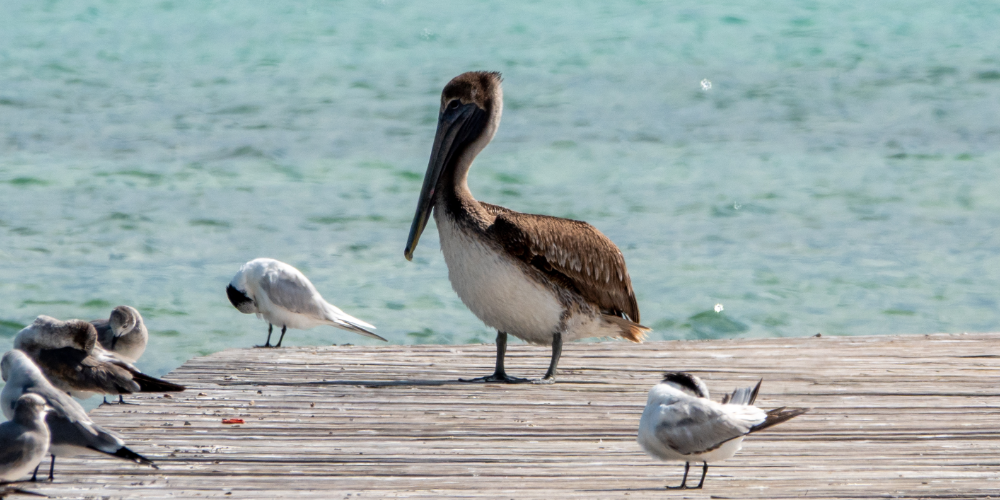
Brown Pelicans are the island’s most beloved residents, performing dramatic plunge-dives for fish throughout the day. They perch on docks and boats, showing little fear of humans and allowing close observation of their unique feeding behavior.
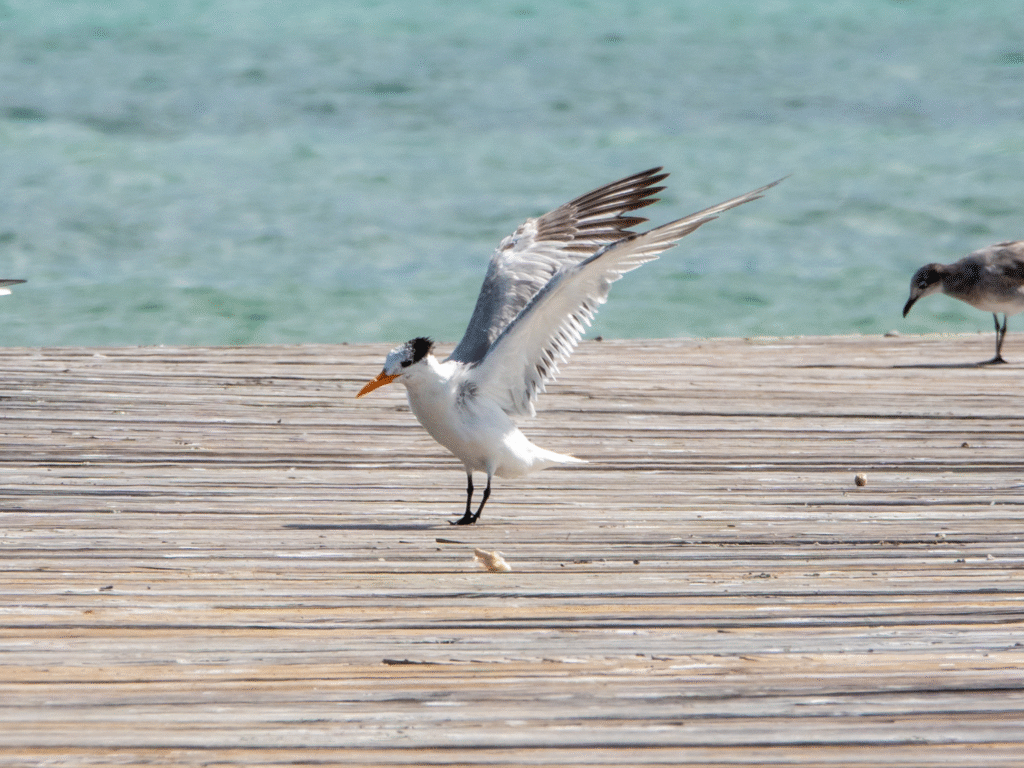
Royal Terns and Laughing Gulls populate the beaches and nearshore waters. These active seabirds provide action throughout the day, with terns diving for fish and gulls scavenging along the shore. Black-necked Stilts wade through shallow lagoons and coastal areas with their distinctive long pink legs and striking black-and-white plumage.
Mangrove Swallows dart over waterways, performing aerial acrobatics as they hunt insects. Their iridescent green backs flash in the sunlight as they patrol lagoons and coastal areas.
Exciting Regular Species
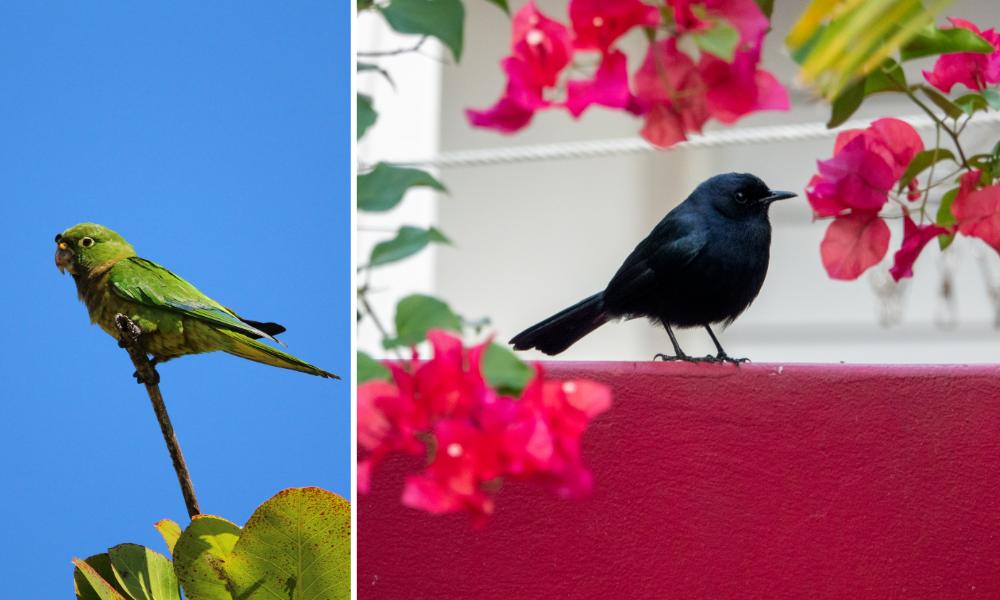
Olive-throated Parakeets fly overhead in noisy flocks throughout the day, their harsh calls announcing their presence before you spot them. These small green parrots are abundant around San Pedro and often perch in fruiting trees or palms near hotels and residential areas.
Yellow-crowned Night-Herons roost in mangroves during the day, emerging at dusk to hunt crabs in shallow waters. San Pedro has healthy populations that are remarkably approachable compared to mainland locations.
Black Catbirds, a regional specialty limited to the Caribbean coast, inhabit coastal scrub and gardens. Their melodious songs and inquisitive nature make them favorites among visiting birders.
Best Birding Spots in San Pedro: Independent Exploration
All of these locations are perfect for solo birding with just your binoculars and field guide. Download the Merlin Bird ID app (free) to help identify birds by sight and sound – it’s especially helpful for new birders learning calls. Also download the eBird app to check recent sightings at hotspots and log your own observations to contribute to citizen science. Check eBird the night before your birding sessions to see what others have spotted that week at specific locations.
Resort and Hotel Grounds
What to expect: Some of the easiest and most rewarding birding happens right outside your room. Resort properties with flowering plants and fruiting trees attract a surprising variety of colorful species throughout the day. Early morning coffee on your patio or balcony can be productive birding time.
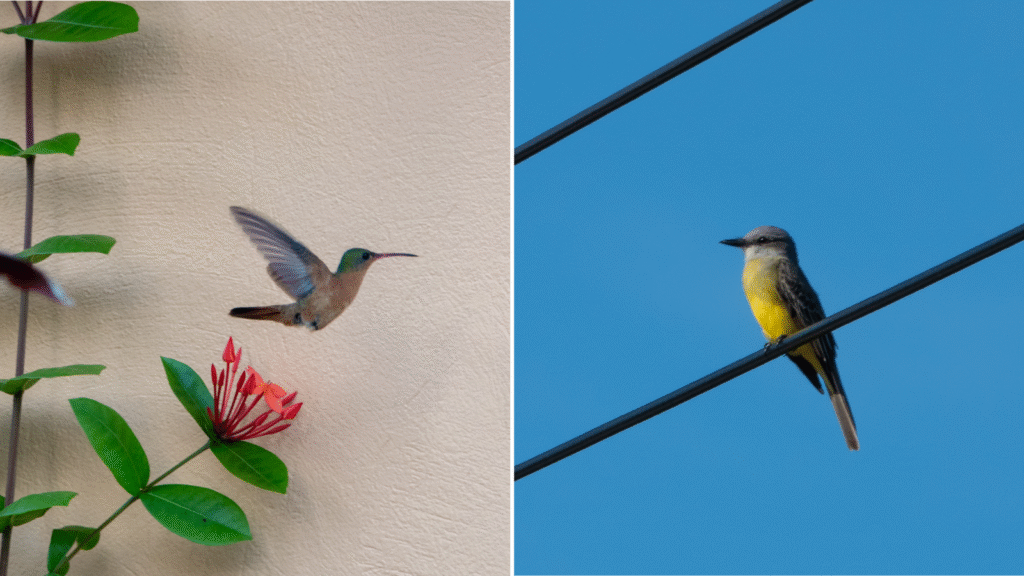
Target species: Cinnamon Hummingbirds, Hooded Orioles, Olive-throated Parakeets, Black Catbirds, various dove species, Tropical Kingbirds
Access: Simply step outside! Pay attention to flowering bushes and fruiting trees around the property.
Best time: Early morning and late afternoon when birds are most active around flowers and fruit.
Secret Beach Road, Lagoon and Surrounding Area
The road heading out toward Secret Beach and Aruna Belize offers some of the island’s quietest and most productive birding. As you cross over the lagoon headed to Secret Beach, you’ll encounter the island’s best wetland birding combined with quiet roads that attract diverse species.
What to expect: The lagoon system offers excellent freshwater and brackish wetland birding with species uncommon on Caribbean islands. As you cross over the lagoon and continue along Secret Beach road, watch for Roseate Spoonbills, Wood Storks, and various herons. The surrounding roads and coastal scrub provide habitat for both resident species and migrants. The peaceful environment allows you to hear bird calls clearly and observe natural behaviors.
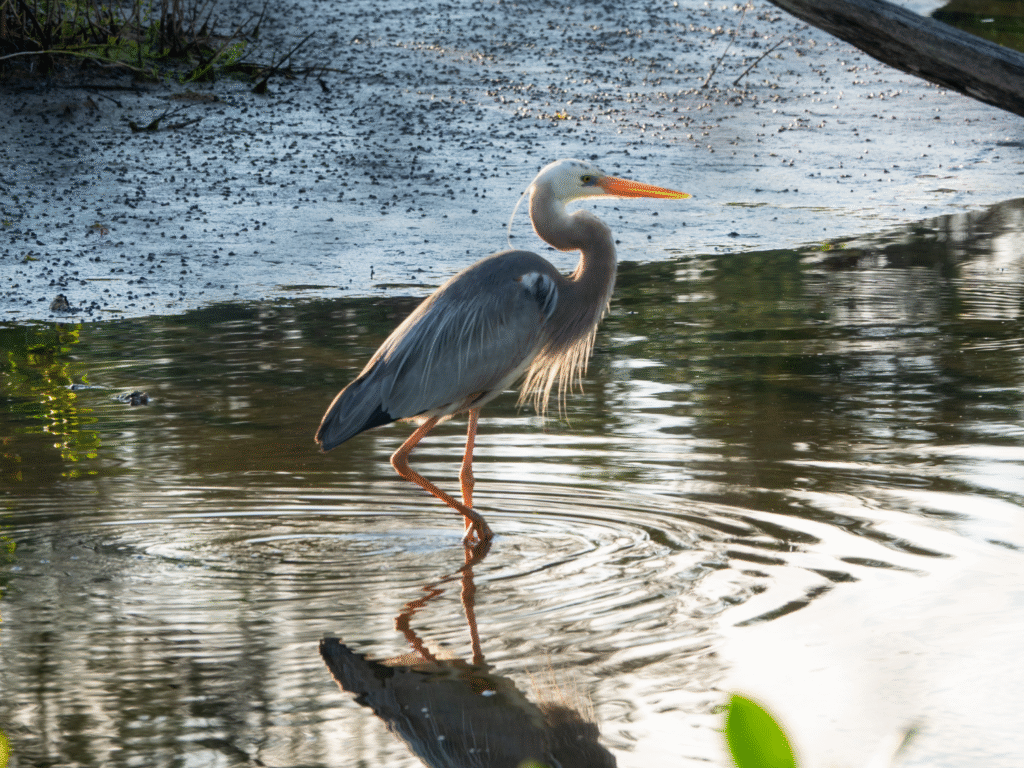
Wetland species at the lagoon: Great Blue Heron, Great Egret, Snowy Egret, Green Heron, Wood Stork (seasonal), Roseate Spoonbill (seasonal), Blue-winged Teal
Along the road and surrounding areas: Warblers (seasonal migrants and year-round Mangrove Warblers), flycatchers, vireos, various shorebirds, raptors including Ospreys and occasional hawks
Access: Head out on the Secret Beach road by golf cart. Cross over the lagoon and explore the surrounding roads. The road itself and areas around Aruna Belize offer excellent birding opportunities. Stop frequently to scan the lagoon, vegetation, and listen for calls. Bring your spotting scope if you have one for distant waterfowl.
Best time: Early morning when birds are most active and before any traffic picks up.
Pit stop: The Caribeña gas station at the Secret Beach road junction offers golf cart refueling and clean bathrooms.
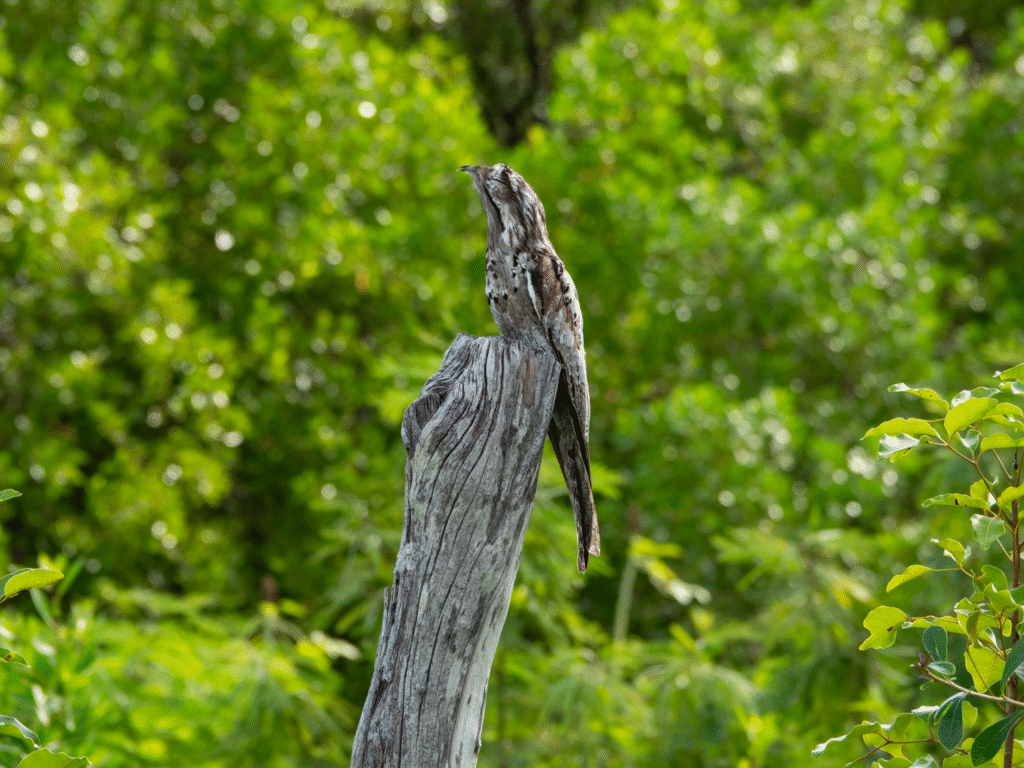
North Ambergris Caye: Wetlands, Mangroves and North Beaches
The northern reaches of Ambergris Caye remain less developed, with extensive wetlands and mangrove systems providing habitat for specialized species. Accessible by golf cart heading north from town, these areas reveal diverse birdlife along mangrove channels and quiet beaches.
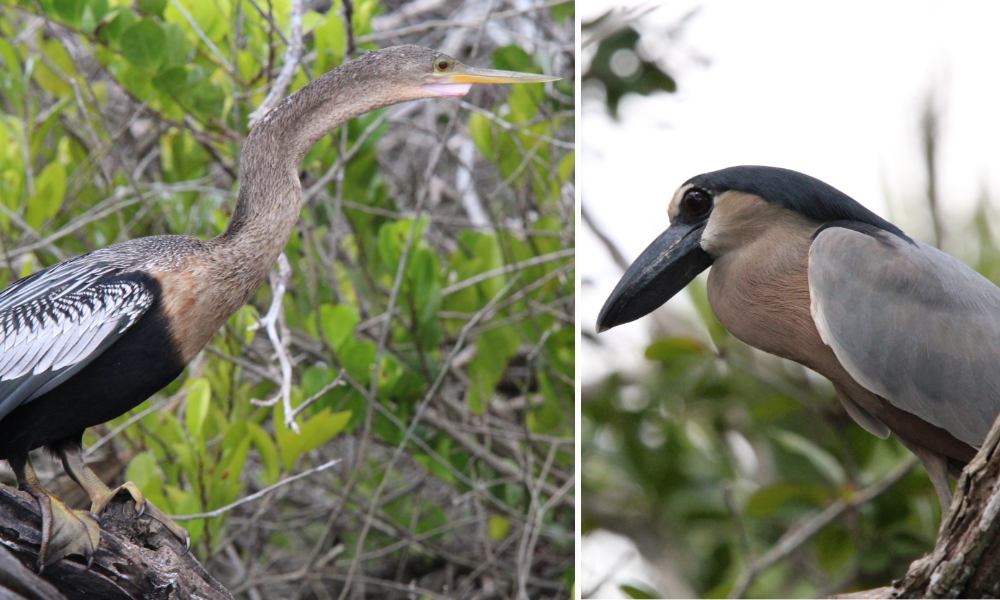
Highlights: Great Egrets, Double-crested Cormorants, Common Black Hawk, Killdeer, Spotted Sandpipers, American Redstarts (seasonal), Black-and-white Warblers, Mangrove Warblers, Mangrove Vireo, Boat-billed Herons, Yellow Warblers, Tropical Kingbirds
Access: Drive north from San Pedro town by golf cart. For excellent birding, explore the quiet neighborhood streets off the main road. Keep going straight by the curve near Croc’s and head into the Tres Cocos neighborhood. The road loops back to the main road, creating a peaceful circuit through prime habitat where mangroves meet coastal vegetation. You can also take a turn off the Secret Beach road heading north in the Mata Grande area near Indigo for quiet off-the-street birding. These less-traveled routes offer peaceful conditions with minimal traffic, allowing you to hear bird calls clearly and stop frequently without disruption. Off of the main road north of Mata Grande, stop at any pullout to observe mangrove channels.
South of Town: Quiet Road Birding
South of San Pedro town, the atmosphere changes dramatically. Dirt roads with less traffic and quieter surroundings create ideal birding conditions. This area offers a mix of coastal scrub, small wetland patches, and residential gardens that attract diverse species without the bustle of downtown.
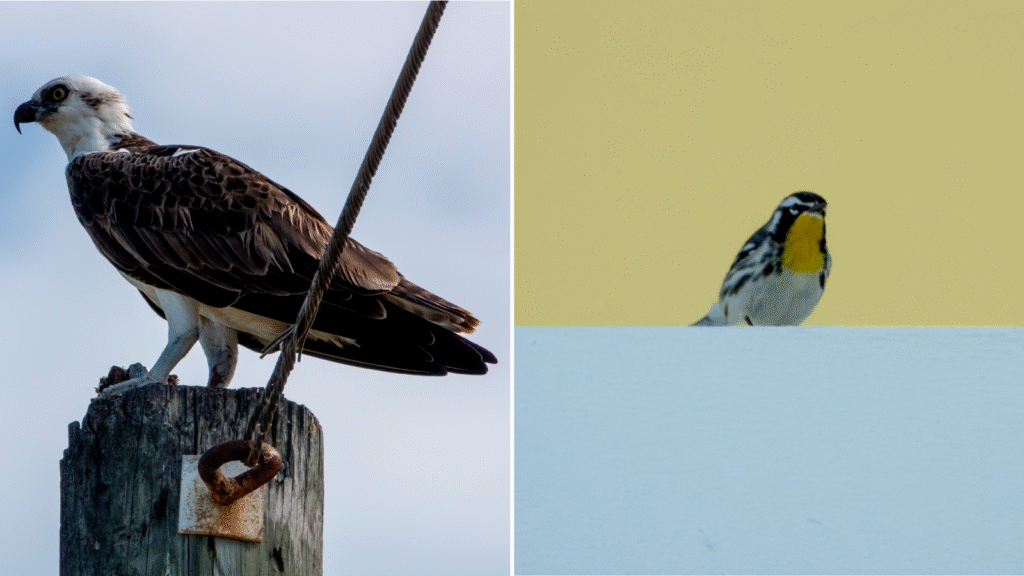
Early morning walks or golf cart rides along the southern roads often produce Yellow Warblers, Yellow-throated Warblers, Palm Warblers, and during migration season, a variety of North American breeding species heading to or from their wintering grounds. Ospreys are frequently seen perched on poles or diving for fish in nearby waters. Summer Tanagers add brilliant red flashes to the vegetation, while Cinnamon Hummingbirds visit flowering plants. Hooded Orioles display their bright orange plumage, and Morlet’s Seedeaters forage in grassy areas. The quieter environment makes it easier to hear bird calls and spot movement in vegetation. Fruiting trees and flowering plants in less developed areas draw diverse colorful species.
Access: Easy golf cart or bicycle ride south from town center. Multiple dirt roads to explore.
Best time: Early morning before traffic and heat increase.
Seasonal Birding in San Pedro: When to Visit
Understanding seasonal patterns helps you target specific species and maximize your San Pedro bird watching experience.
Peak Season: December to April
This represents optimal birding in San Pedro Belize, with comfortable temperatures, minimal rainfall, and maximum species diversity as North American migrants join resident Caribbean birds.
Species highlights: 20+ warbler species possible, shorebird diversity peaks, calm seas for boat-based birding, optimal photography light
Challenges: Higher accommodation prices, more tourists, advance booking essential.
Migration Seasons: October to November, April to May
The shoulder seasons offer perhaps the most exciting birding in San Pedro. Exhausted migrants make landfall in concentrated numbers, creating excellent opportunities for observation. Rarities occasionally appear, with vagrant species blown off course by weather systems.
October migration brings: Southbound warblers and tanagers, migrating raptors including Peregrine Falcons, shorebirds heading to South American wintering grounds, occasional landbird vagrants
April to May migration features: Northbound warblers in breeding plumage, peak diversity of songbirds, energetic birds feeding actively before continuing north, rare species possibilities
Green Season: June to October
While considered off-season, summer birding in San Pedro has advantages. Resident species are breeding, making them vocal and visible. Accommodation rates drop significantly, and you’ll have birding spots largely to yourself.
Green season specialties: Breeding behavior observations, juvenile birds learning to forage, spectacular storm cloud formations, lush vegetation, lower tourism pressure
Considerations: Afternoon rain showers, higher humidity, some sea-based activities weather-dependent.
Full Day Trips: Expanding Your Belize Birding from San Pedro
One of San Pedro’s greatest advantages is easy access to mainland birding hotspots. Several world-class sites lie within day-trip distance, allowing you to combine island relaxation with serious mainland birding.
Crooked Tree Wildlife Sanctuary (Full Day)
The country’s premier wetland birding destination sits just 1.5 hours from San Pedro via water taxi and ground transport. This day trip adds 100+ species to your potential list, including specialties impossible to see on Ambergris Caye.
Trip details: Duration: 10 to 12 hours total, Cost: $150 to $200 per person with guide, Best months: February to April when water levels concentrate birds
Species additions: Jabiru Stork, Wood Stork, Black-collared Hawk, Snail Kite
What to expect: Early morning departure, 2.5 hours travel, 4 to 5 hours birding at sanctuary, lunch included, return late afternoon.
Lamanai Archaeological Reserve (Full Day)
Combine Maya ruins with excellent forest and river birding on this popular day trip. The boat journey up New River provides outstanding waterbird observation, while the archaeological site’s forests host toucans, parrots, and woodpeckers.
Trip details: Duration: 10 to 12 hours total, Cost: $125 to $175 per person, Year-round excellent
Species additions: Keel-billed Toucan, Collared Aracari, Bat Falcon, Boat-billed Heron
Birding highlights: River journey produces kingfishers, herons, and Snail Kites. Forest trails around ruins offer glimpses of Ocellated Turkeys, various woodcreepers, and during migration, excellent warbler diversity.
Essential Tips for Successful Birding in San Pedro
Guided Tours vs Independent Birding in San Pedro
Most birders find San Pedro perfect for independent exploration. The open habitats, conspicuous species, and accessible locations mean you can easily bird on your own with just binoculars and eBird.
That said, guided options exist if you prefer expert assistance. Your resort concierge can arrange local guides for island birding (around $75 for a half-day) or help book mainland day trips to Crooked Tree or Lamanai, where guides are more essential. Full-day mainland trips ($125 to $200) usually include guides as part of the package.
For most visitors, a hybrid approach works best: independent birding around the island combined with guided mainland day trips for species you can’t find on Ambergris Caye.
Equipment Recommendations for Island Birding
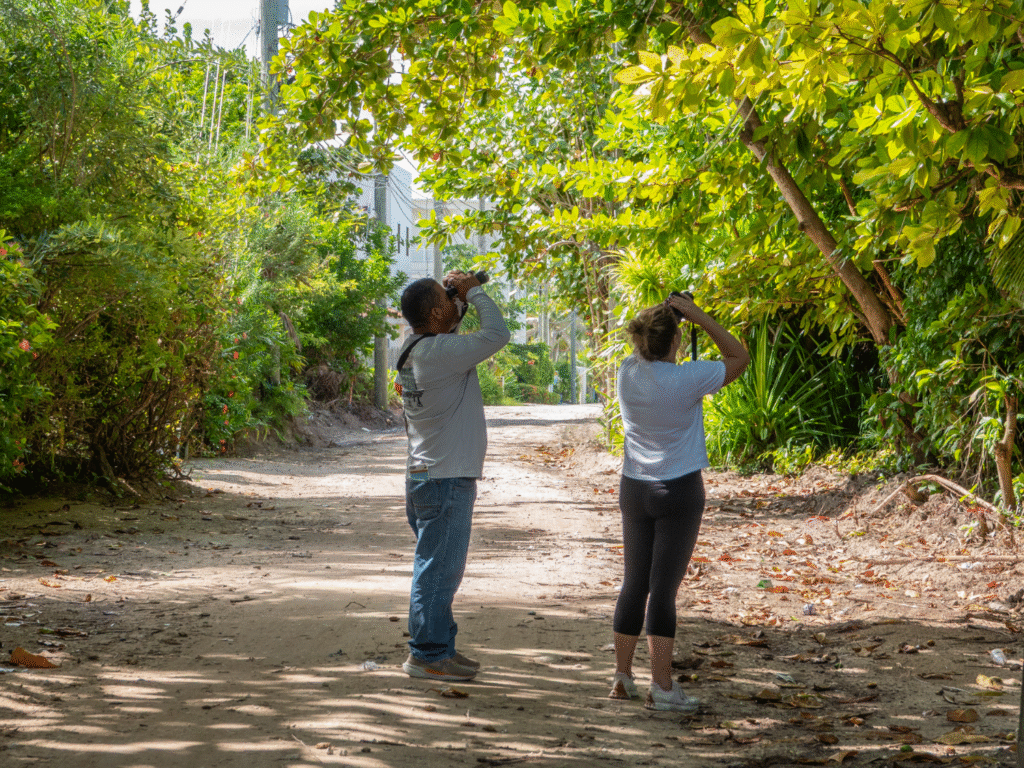
Quality binoculars are all you really need for excellent birding in San Pedro. The island’s open habitats often allow closer approaches than mainland forests, making 8×42 binoculars perfect for most situations.
If you have a spotting scope, it can enhance wetland and shorebird observation at the lagoon, but it’s definitely not necessary. Most birders do just fine with binoculars alone.
Must-have gear: Binoculars (8×42 recommended), field guide (Birds of Belize or Central America), eBird app downloaded with offline checklists, sunscreen and hat, reusable water bottle
Nice-to-have items: Spotting scope with tripod (if you own one), portable chair for extended observation, camera with telephoto lens
Transportation for Birding Around San Pedro
Golf carts are San Pedro’s primary transportation and work perfectly for birding. Daily rentals run $60 to $100 depending on cart size and season. Bicycles offer economical transport for nearby birding spots and provide quiet approach. Many hotels offer complimentary bikes, or rentals cost $15 to $25 daily.
Walking remains excellent for town birding and immediate hotel surroundings. Early morning walks before traffic increases often produce excellent sightings.
Best Times of Day for San Pedro Birding
Early morning from dawn to 9 AM offers peak activity as birds feed after the night. Coastal breezes remain light, water surfaces calm for spotting scope use, and temperatures comfortable for walking.
Late afternoon from 4 PM to sunset provides a secondary activity window. Wading birds become active in shallow waters, seabirds return from offshore feeding, and the golden light creates excellent photography conditions.
Midday birding in San Pedro remains more productive than mainland forest birding. Seabirds continue fishing, and shorebirds feed regardless of time. The lagoon and mangroves stay active even during the heat of the day.
Staying Fueled: Water and Snacks for Birding
Always bring water when heading out birding. The Caribbean sun and coastal breeze can be deceptive, and dehydration sneaks up quickly. A reusable water bottle is essential gear.
Snacks keep your energy up during longer birding sessions, especially if you’re exploring the northern or southern areas by golf cart. If you’re heading north early, Sol Cafe (near Belizean Shores) opens at 6:30 AM daily and makes a perfect birding pit stop. Grab coffee and breakfast to go including freshly baked pastries, fruit cups, and delicious johnny cakes. Perfect fuel for an excellent morning in the mangroves and north side.
If you’re birding the north side and Secret Beach area, the new Caribeña gas station at the Secret Beach road junction is a convenient stop for refilling your golf cart and has a nice clean bathroom for customers. It makes an ideal pit stop between Secret Beach birding and exploring the north side.
Understanding Ambergris Caye Birding: Year-Round Residents
While migrants grab headlines, San Pedro’s resident bird species deserve equal attention. These year-round inhabitants have adapted to island life and display fascinating behaviors worth observing.
Tropical Specialties: Yucatan Jays (northern Ambergris Caye), Mangrove Warblers, Tropical Kingbirds, Caribbean Doves (White-winged, Ruddy Ground, and Inca Doves)
Responsible Birding in San Pedro
Stay on designated trails and respect private property. Much of San Pedro’s best birding habitat exists on private land where owners graciously allow birders if approached respectfully.
Avoid disturbing nesting birds. If a bird displays distress calls or distraction behavior, you’re too close to a nest. Back away immediately and observe from greater distance.
Never use playback recordings to attract birds in San Pedro. The island’s small size means repeatedly disturbing the same individual birds, which can impact breeding success.
Keep beach areas clean. Trash attracts scavenging species while harming native birds. Pack out everything you bring, and consider removing litter you find.
Contributing to Citizen Science
Submit your San Pedro sightings to eBird, contributing to scientific understanding of island bird populations. Your observations help track population trends, document rare species, and identify conservation priorities.
Photograph unusual species for documentation. Rare vagrants occasionally appear on Ambergris Caye, and your photos may represent important records helping scientists understand migration patterns.
Frequently Asked Questions About Birding in San Pedro
Is San Pedro good for beginner birders?
Absolutely! San Pedro offers some of Belize’s most accessible birding. Large, colorful species like pelicans and frigatebirds are easy to identify and observe. The open habitats provide excellent views, and many birds show little fear of humans.
How many bird species can I see in San Pedro in a week?
Active birders visiting during peak season (November to April) typically record 100 to 150 species in a week, combining island birding with one or two mainland day trips. The island itself offers 60 to 80 species on a good day.
Do I need a guide for birding in San Pedro?
Independent birding is very feasible in San Pedro and most birders do just fine on their own. The habitats are accessible, many birds are conspicuous, and eBird helps you find the best spots. If you’d like a guide (around $75 for a half-day), check with your resort concierge about current availability. Guided options exist but aren’t as established as on the mainland. For day trips to Crooked Tree or Lamanai, guides are recommended and typically included in tour packages.
What’s unique about San Pedro compared to mainland birding?
San Pedro offers easier logistics, better infrastructure, and the ability to combine birding with beach relaxation. It’s ideal for birders who want variety in their vacation and serves as a comfortable base for mainland day trips.
Making It Happen: Planning Your San Pedro Birding Trip
Ready to experience birding in San Pedro, Belize? The accessible habitats, comfortable accommodations, and easy mainland day trip access create the perfect birding vacation.
Book your San Pedro birding accommodation:
- Email: [email protected]
- Mention your interest in birding for room recommendations
- Ask about current birding guide availability and mainland day trip options
Is San Pedro Worth It for Birders?
After analyzing countless birder experiences on Ambergris Caye, the answer is a strong yes, especially for certain birder profiles. San Pedro excels for birders traveling with non-birding companions, those seeking a relaxed birding pace combined with other activities, photographers wanting approachable coastal species, and birders using the island as a base for mainland day trips.
The island’s manageable size, English-speaking population, and developed tourism infrastructure make it especially appealing for first-time Belize visitors. You can bird independently with confidence using eBird and your binoculars, or easily arrange professional guides for specific mainland targets.
Start planning your San Pedro birding adventure now. Whether you spend a long weekend focused on coastal specialties or a full week combining island birding with mainland excursions, Ambergris Caye delivers memorable experiences that keep birders returning year after year. The pelicans are diving, the frigatebirds are soaring, and the mangroves are waiting. Your San Pedro birding adventure awaits!